
Although there aren’t much in common between The Dark Knight and Breaking Bad, one noted quote from the former film sets up a key character story of the latter: “You either die a hero or live long enough to see yourself become the villain.” They couldn’t be more exact when it comes to Walter White on AMC’s flagship series.
Breaking Bad is a singular exception to the standard that the quality level of several series is different from season to season. Each season in the movie ends in a few of the best episodes ever created by television, building on the excitement and depth of the previous story.

The previous season’s ending was equally dramatic. Walter White is pleased, Gus Fring is dead, and the operation is in a mess. Now, Walter is a totally different individual—desperate, dirty, and runaway. As his empire falls around him, he is avoiding the police and wearing long hair and ragged clothing.
In the long run, this start forms the mood and atmosphere for the last season. All that is left to wonder is the manner in which Walter will be arrested. Such details give a new situation, one that’s full of both need and urgency. The final season puts us in the middle of the chaos, leaving us in doubt how Walter’s story would end, comparing to Season 2’s pink teddy bear and a resulting plane crash, which indicated at a coming disaster.
Walter’s attempt to carry on when Gus Fring ended up is the main point of dispute in this story. He shares the company among himself, Jesse, and Mike. For some time, things go well, then Walter takes up Fring’s old job at the top and adopts the same uncaring violence.

Unfortunately, when Walter’s actions have severe effects on his family life, the difference between right and wrong becomes highly unclear. The perfect finale offering conclusion for nearly everyone of us to know and care about over the course of five seasons leads this moral unfolding, which ends in some of the most shocking and touching moments in television history.
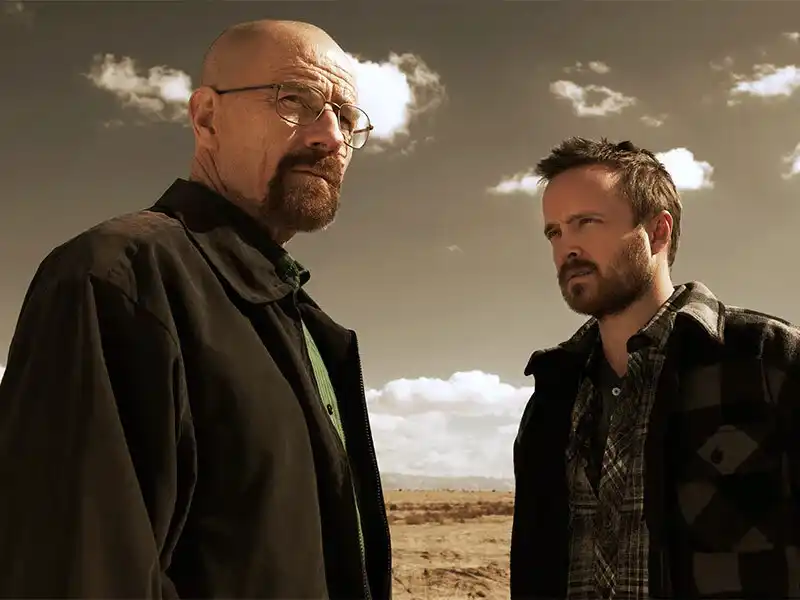
Beyond the main narrative, the series successfully uses visuals, imagery, lighting, and unique camera angles to enhance the story. For example, The family house of Walter is often covered in dark, deep shades. In an effort to point out growing divisions between the “good guys” and the “bad guys,” the filmmaker also intentionally sets up visual walls between them using windows, pillars, and even a coffee table covered in broken bottles.
Not to point out the consistent use of color in the series, which was often related to the clothing of Walter. But this particular season, the significance is deeper, with various characters given different color combinations. For example,, Marie is mostly surrounded by purple, a color that typically refers to luxury, power, and elegance.
The music in the entire series is another vital component. Every music has been carefully selected, and its lyrics match the concepts and importance of the circumstances they go with. A very appropriate example can be found in the final episode, which ends with an appearance of the show’s main theme—a well-known musical signal which has surrounded us over the years.
This creative mixing of elements defines what makes Breaking Bad so effective. The series gets much deeper than that, even while the story is troubling and has more than a handful of spectacular scenes. As a whole, these elements create a chemical effect on the small screen that is unlike anything other.
The term “greatest of all time” is used quite frequently, but in this case, it is fully justified. Breaking Bad creates an expectation for television and shows how efficient the medium can be—perhaps even further so than mainstream movies. This is a must-watch series and the perfect final season for one of television’s top successes, regardless of whether you enjoy crime series.

